
Introduction
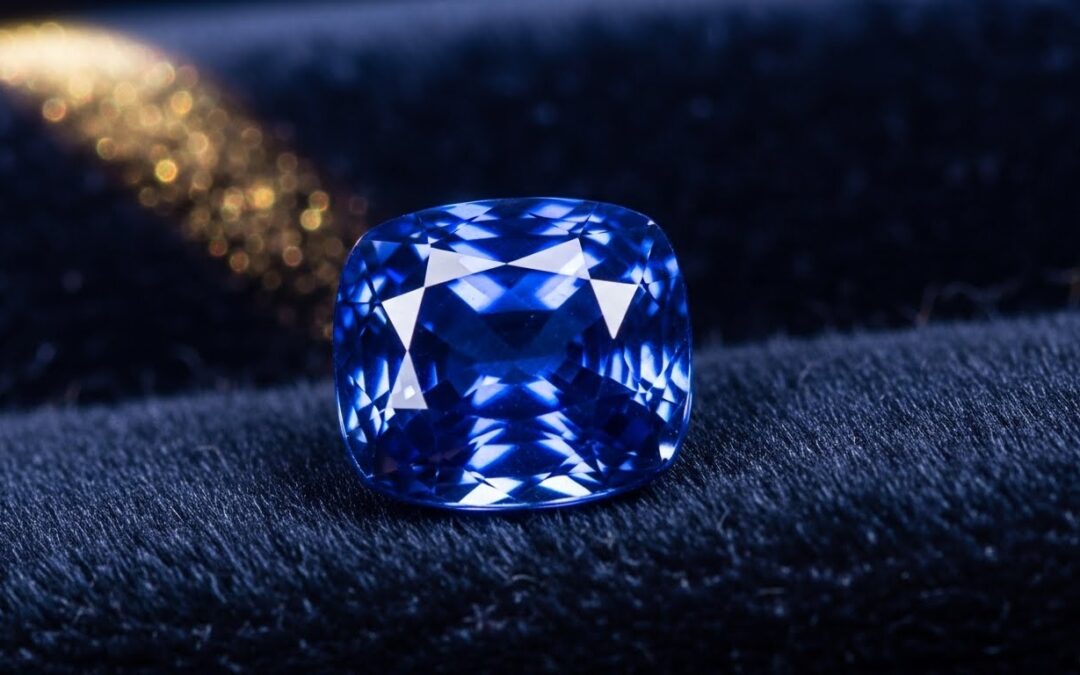
The blue sapphire is a stone of kings, a symbol of wisdom, and one of the most coveted gems in the world. Whether you’re considering an investment, searching for the perfect piece of jewelry, or starting your journey into collecting, knowing how to identify blue sapphires correctly is the difference between a treasured heirloom and an expensive mistake.
As a passionate buyer, you want confidence, not confusion. This sapphire buying guide cuts through the jargon to teach you the essentials: the 4 C’s applied specifically to this magnificent stone. By focusing on sapphire color and clarity, you’ll be empowered to assess value like a seasoned professional.
The Critical C: Assessing Sapphire Color and Clarity
For most gemstones, the 4 C’s (Color, Clarity, Cut, Carat Weight) apply, but for a blue sapphire, Color reigns supreme. It’s the single biggest factor influencing value.
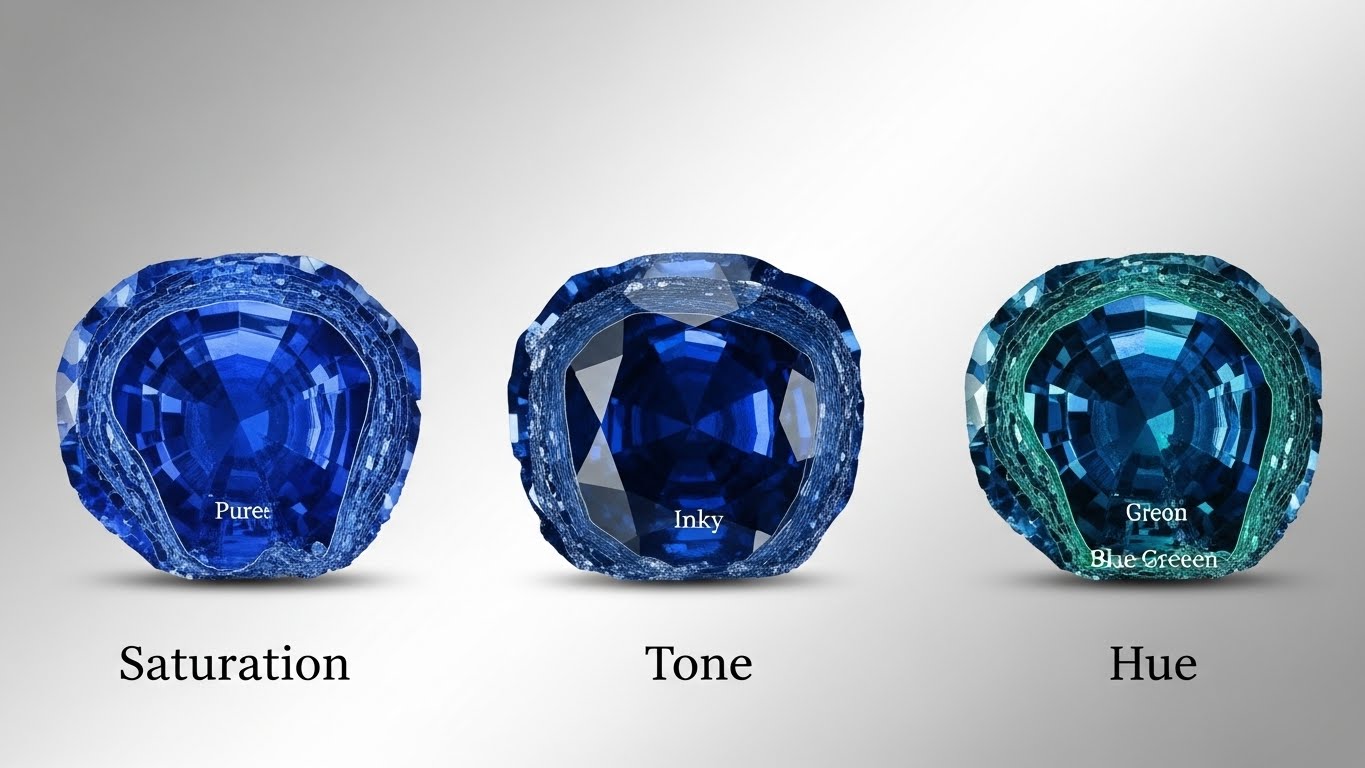
The Hue, Tone, and Saturation of Blue
To accurately evaluate the color, you must look at three components:
- Hue: The stone’s basic color. The most valuable hue is a vibrant, velvety blue. Secondary hues like violet or green lower the value. Look for stones with minimal, if any, green.
- Tone: How light or dark the color is. The ideal tone is Medium to Medium-Dark—a rich, intense blue. If the stone is too dark (inky) or too light (pale), the value drops significantly.
- Saturation: The intensity or purity of the hue. High saturation means a strong, vivid colour—often described as “electric” or “royal blue.” Low saturation results in a greyish or dull appearance.
Tip for Buyers: The most sought-after colours—often bench marked against the deep, vivid tones of Kashmir or Ceylon (Sri Lankan) sapphires—are sometimes called “Cornflower Blue.” Always view the stone under multiple light sources.
Clarity: Looking Past the Silk
Unlike diamonds, perfection isn’t the standard for sapphires. Inclusions are common and often tolerated. A sapphire’s clarity is judged based on whether the inclusions detract from its beauty or durability.
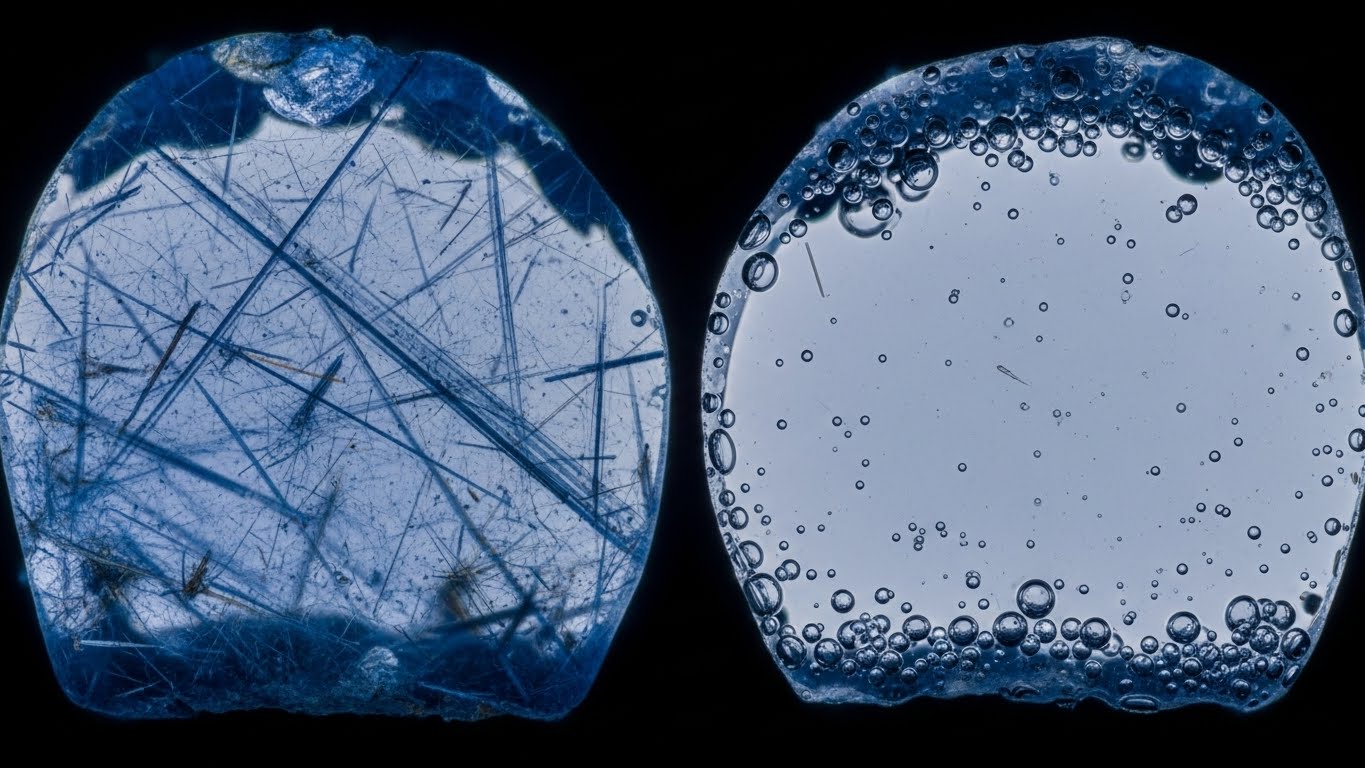
- Acceptable Inclusions: Fine, tiny parallel needles known as “silk” (rutile inclusions) can actually enhance a sapphire’s luster and brilliance, giving it a soft, velvety appearance. These are hallmarks of natural, unheated stones.
- Unacceptable Inclusions: Large, dark crystals, cracks, or fractures that reach the surface (called “feathers”) significantly reduce value and pose a durability risk.
The best stones for an informed collector are “eye-clean”—meaning no inclusions are visible to the naked eye—while maintaining a high level of saturation and tone.
The Ultimate Test: Natural Sapphire vs Synthetic
A key challenge for anyone new to beginner gemology is distinguishing a real, natural stone from a lab-created (synthetic) one. While synthetic sapphires are chemically identical, their origin vastly impacts their value.
Here are the basic checks to help you identify blue sapphires and their origin:
- Inclusions: Natural sapphires almost always contain some form of tiny internal imperfections (the “fingerprints of nature”). Synthetic sapphires (made using the Verneuil or Czochralski process) are often flawless and crystal-clear. If a stone is perfectly clean, be skeptical.
- Color Zoning: Natural sapphires sometimes show uneven patches or lines of color growth, known as “color zoning.” This is a classic indicator of natural formation. Synthetic stones typically have uniform color throughout.
- Fluorescence: While not a definitive test, natural blue sapphires typically show a weak or no reaction under UV light. Some synthetics may glow a strong, chalky blue-green due to the manufacturing process.
Making an Informed Purchase
As a value-conscious buyer, the final step in this sapphire buying guide is documentation. Always insist on a report from an accredited third-party gemological laboratory (like GIA or AGL).
This report will confirm the stone’s weight, measurements, and, most importantly, if it has been treated (such as heat treatment, which is common) or if it is a synthetic. This due diligence is critical to ensure the beauty you see matches the true quality and origin you pay for.
Conclusion & High-CR
You now have the fundamental knowledge to confidently assess sapphire colour and clarity and begin your collection journey. Don’t let the technical terms intimidate you; let them empower you.
Ready to start buying like a professional collector?
To help you put this knowledge into practice, we’ve compiled a simple, printable Sapphire Evaluation Checklist detailing the precise criteria for hue, tone, saturation, and clarity, complete with comparison photos. Stop guessing and start assessing!