

(Persona Focus: Travelers, history buffs, and gemstone enthusiasts looking for unique, culturally rich destinations.) (Target Keywords: Ratnapura, World’s Gem Capital, Sri Lankan gem mines, King Solomon’s gems, history of Ratnapura) (Word Count: Approx. 780 words)
Introduction: Beyond the Sparkle – Unearthing the Real Ratnapura
For centuries, the name “Ratnapura” has been synonymous with breathtaking jewels. Meaning “City of Gems” in Sinhalese, this unassuming Sri Lankan city is not just a hub for precious stones—it is a crucible of history, geology, and legend. You might know it as the place where sapphires, rubies, and cat’s eyes begin their journey to grace the world’s most exclusive jewelry collections.
But how did this lush, verdant corner of the Sabaragamuwa Province earn its title as the World’s Gem Capital? The answer lies in a hidden history far more compelling than the sparkle of any single stone. If you’re ready to peel back the layers of modernity and discover the ancient secrets that birthed some of the most famous gemstones, you’re ready to explore the real Ratnapura.
A Geological Goldmine: Why Ratnapura is the World’s Gem Capital
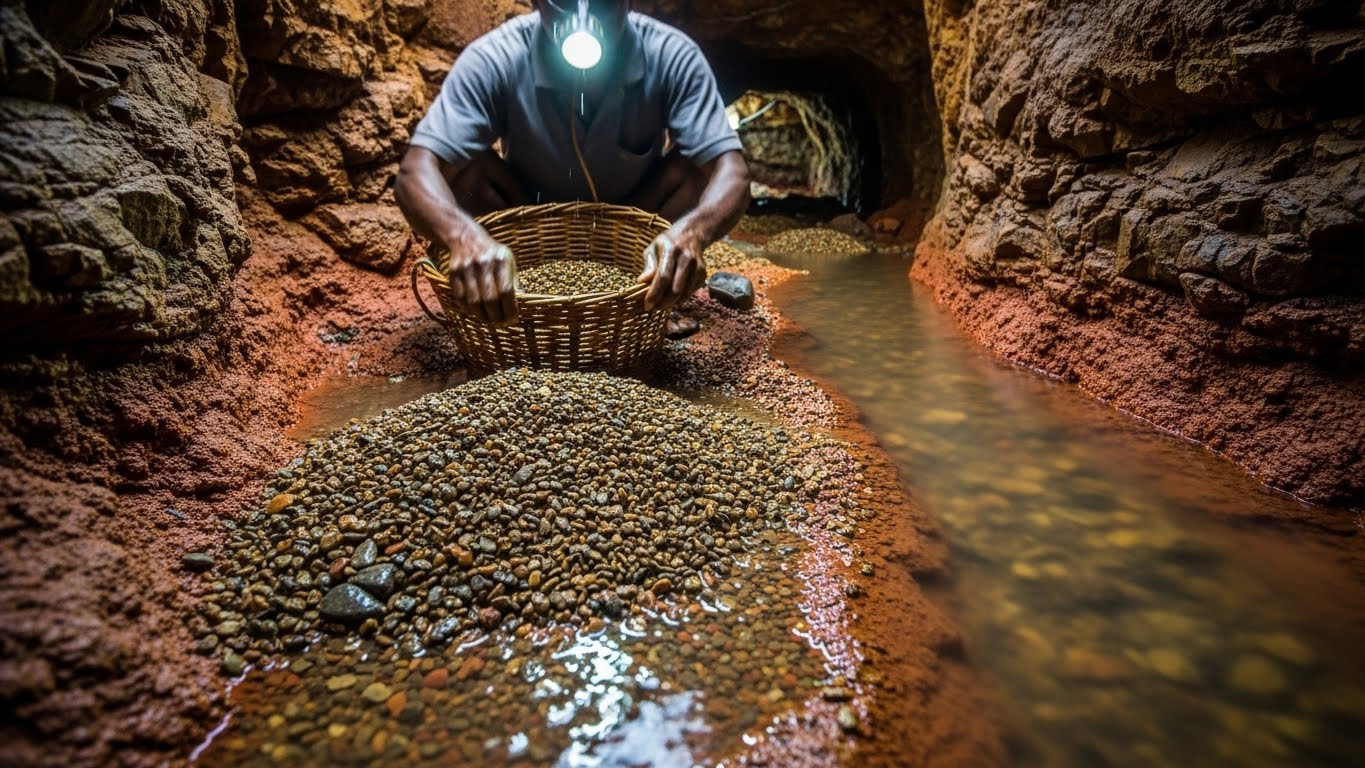
The abundance of high-quality gems in Ratnapura isn’t a coincidence; it’s a geological miracle. The city sits on a unique formation of prehistoric, gem-bearing gravel, known locally as illam. These deposits, found in the alluvial floodplains of the Kalu Ganga (Black River), have been systematically enriched over millennia.
Unlike kimberlite pipes that yield diamonds, Ratnapura’s gems—primarily sapphires, rubies, chrysoberyl, and topaz—are found in secondary deposits. This means they were weathered out of their original bedrock and then washed and concentrated by river systems.
The Alluvial Advantage: The Unique Sri Lankan Gem Mines
Traditional Sri Lankan gem mines are distinct and often operate on a small, artisanal scale. Miners descend narrow shafts to manually retrieve the illam. This ancient, environmentally sensitive method has preserved the landscape while consistently yielding world-class stones, a testament to the sustainable practices woven into the region’s heritage. The low-tech, high-skill approach is a key part of Ratnapura’s identity.
Legends and Royalty: The Ancient History of Ratnapura
The history of Ratnapura is not just told in geological eras, but in royal decrees and ancient myths.
From King Solomon to the Star of India
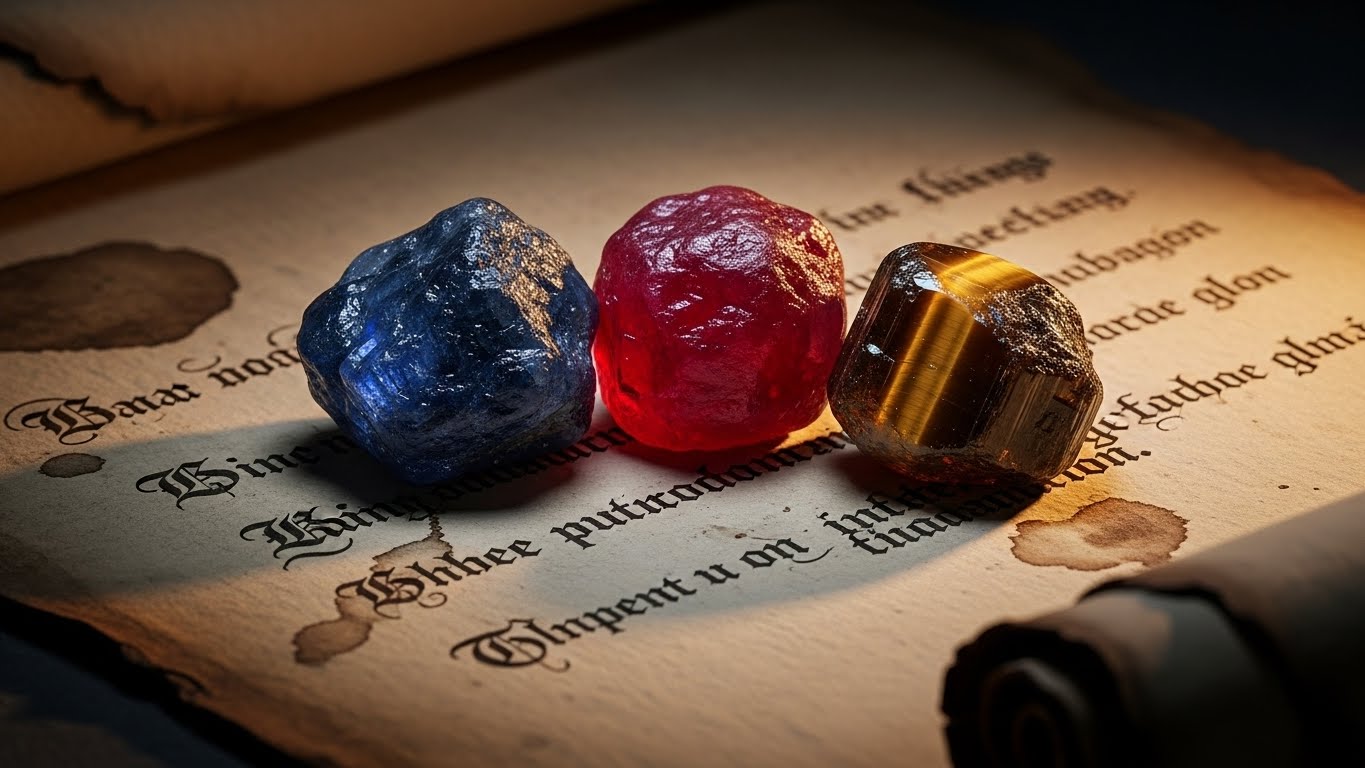
Archaeological evidence suggests that gem mining in this region has been ongoing for over 2,500 years. Ancient texts, including those from the time of King Solomon, reference a land of immense gem wealth—a land many historians believe was Sri Lanka. It is fabled that the Queen of Sheba gifted King Solomon gems sourced from this very island.
Throughout the Roman and Arab trading eras, Sri Lankan gems were prized, moving along the maritime Silk Road. The city’s reputation was solidified globally by some of the most famous gems in history, which were all unearthed here:
The Star of India: A massive 563-carat star sapphire, now housed in the American Museum of Natural History.
The Blue Belle of Asia: A 400-carat blue sapphire, once part of a famous necklace.
The Star of Adam: At 1,404 carats, it is the largest star sapphire in the world.
Experiencing the Gem Capital: What to See and Do
For the discerning traveler, Ratnapura offers a tangible connection to this rich past. It’s not a polished tourist trap; it’s an authentic working city.
Visit a Traditional Mine: Many local families and businesses offer guided tours of working Sri Lankan gem mines. This is the best way to witness the careful, centuries-old processes firsthand and appreciate the arduous work behind the glimmer.
Explore the Gemological Museum: This museum provides an excellent overview of the local geological formations and a dazzling display of the different types of stones found here.
The Ratnapura Gem Market: If you’re considering a purchase, the bustling market is where raw stones and cut gems are traded. It’s a vibrant, chaotic, and fascinating cultural experience, but remember to engage with reputable, registered dealers.
The history of Ratnapura is literally embedded in the landscape. Every stream you cross and every mountain you see holds the potential for the next historical jewel. It is a place that truly defines “hidden gem.”
Conclusuion & High-CR
Ratnapura is more than a name on a map ,its a living archive of geological time and human endeavor.its title as the world’s Gem Capital is earned not just buy the quality of its stone,but by the ancient lore,sustainable practices,and the sheer volume of history that rests beneath its soil.