As a socially conscious jewelry buyer in your 30s or 40s, you don’t just want a beautiful sapphire; you demand a stone with a clean, traceable, and ethical story. You’ve heard the concerns about conflict minerals and environmental damage. Your commitment to sustainability in gemstones and ethical sourcing is non-negotiable.
The good news is that Sri Lanka (formerly Ceylon) has a centuries-old tradition of mining that is, by its very nature, small-scale and less invasive than industrial operations elsewhere. Yet, “traditional” doesn’t automatically mean “perfectly ethical” or “sustainable.” It takes vigilance.
This is how we go beyond the industry minimums to ensure every Ceylon gemstone we source from Sri Lanka is mined with respect for the land, the miners, and the future.
1. Low-Impact Mining: The Foundation of Ceylon Sustainability
Unlike the large-scale industrial mining that scars landscapes, gemstone mining in Sri Lanka is built on an artisanal model that is inherently more sustainable.
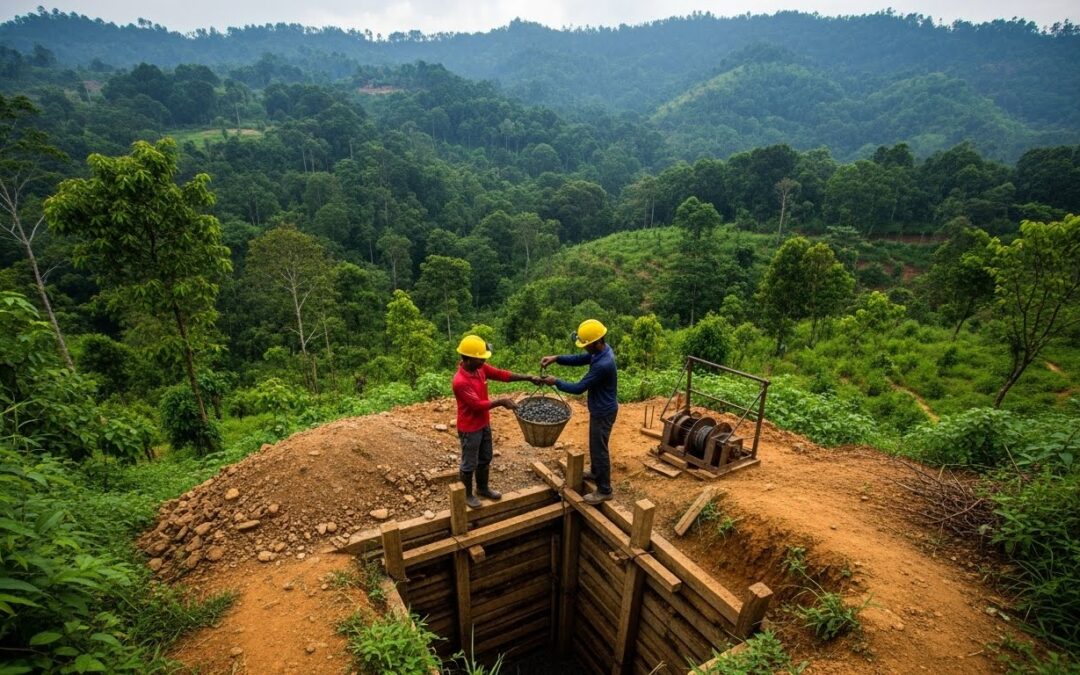
- The Pit & Shaft Method: Miners predominantly use the traditional pit and shaft method. They dig vertical shafts, often just a few meters deep, to reach the gem-bearing gravel (known as illam). This is done primarily by hand, with simple tools and minimal low-impact machinery like hand-operated winches.
- The Key Differentiator: There is a near-total absence of heavy, earth-compacting machinery, explosives, or harsh chemical agents (like cyanide or mercury), which are the primary sources of environmental damage in other mining regions.
- Mandatory Land Rehabilitation: The Sri Lankan government, via the National Gem and Jewellery Authority (NGJA), has a strict policy: every licensed mine must be fully rehabilitated. Miners are required to fill the pit, replace the topsoil, and restore the land to its original state. For us, this is the crucial first step in sustainable Ceylon gemstones. We partner only with licensed operations that consistently demonstrate prompt and verifiable rehabilitation before their cash deposits are returned.
2. Fair Labor and Community Empowerment (The ‘Ethical’ Pillar)
Ethical mining is as much about people as it is about the planet. We ensure that our supply chain directly benefits the local communities in the gem-rich areas of Ratnapura.
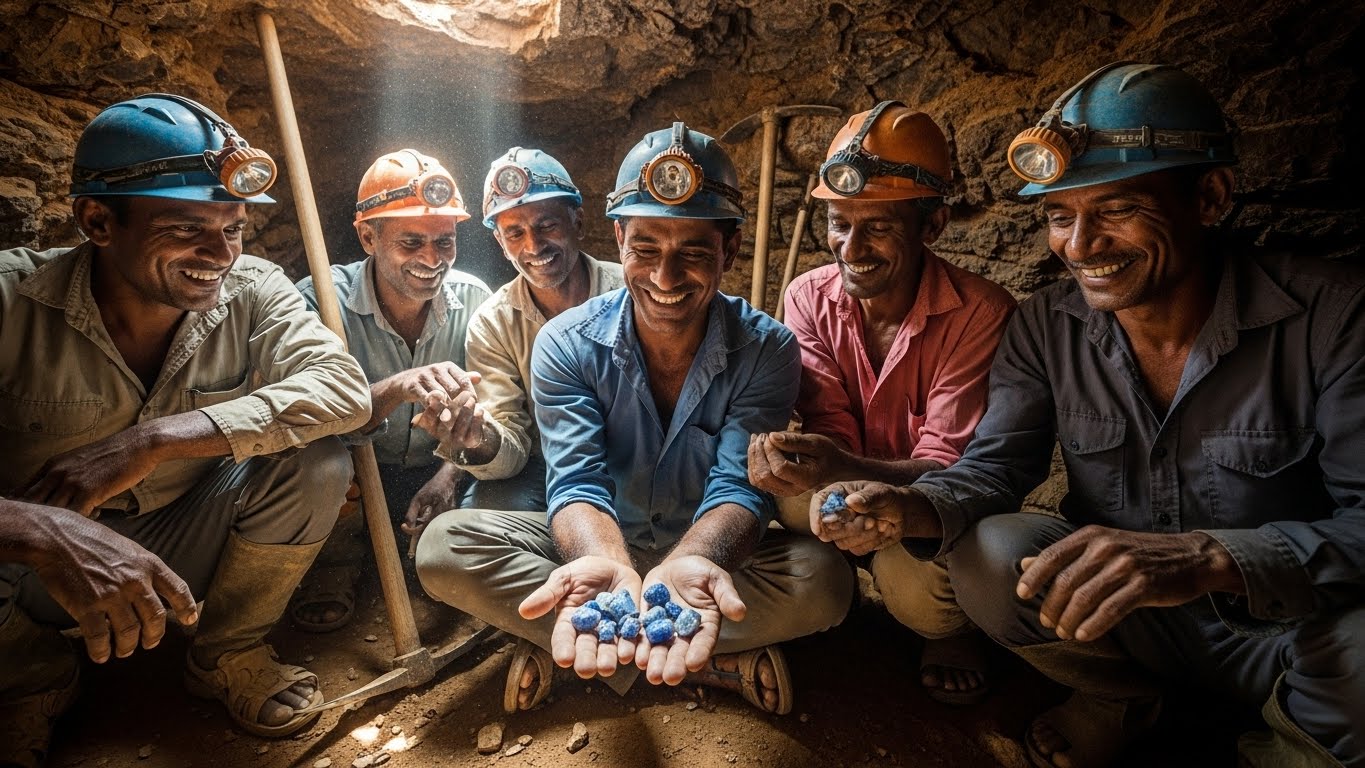
- The Profit-Sharing Model: The common practice in Sri Lanka is a cooperative, profit-sharing structure. Proceeds from the gem sale are distributed among the landowner, the license holder, and the team of miners. This model gives every person involved a direct stake in the value of the stone, ensuring a fair wage that often exceeds local averages.
- Worker Safety and Welfare: While traditional, safety cannot be overlooked. We mandate and audit the use of modern safety gear, improved ventilation, and mechanical lifts to reduce manual strain. Furthermore, we seek partners who invest in community welfare, providing healthcare support, education opportunities, and safe working hours for their employees.
- Zero Tolerance for Exploitation: We enforce a strict, auditable policy of zero tolerance for child labor or forced labor throughout our supply chain, with mandatory age verification and independent spot-checks.
3. Radical Transparency and Traceability
To guarantee ethical sourcing, you need complete visibility. We combat the fragmented, shadowy supply chain by implementing a “mine-to-market” approach.
- Granular Origin Data: We don’t just say “Sri Lanka.” We require traceability down to the specific licensed mine site. Every Ceylon gemstone in our collection is documented from the moment it leaves the ground.
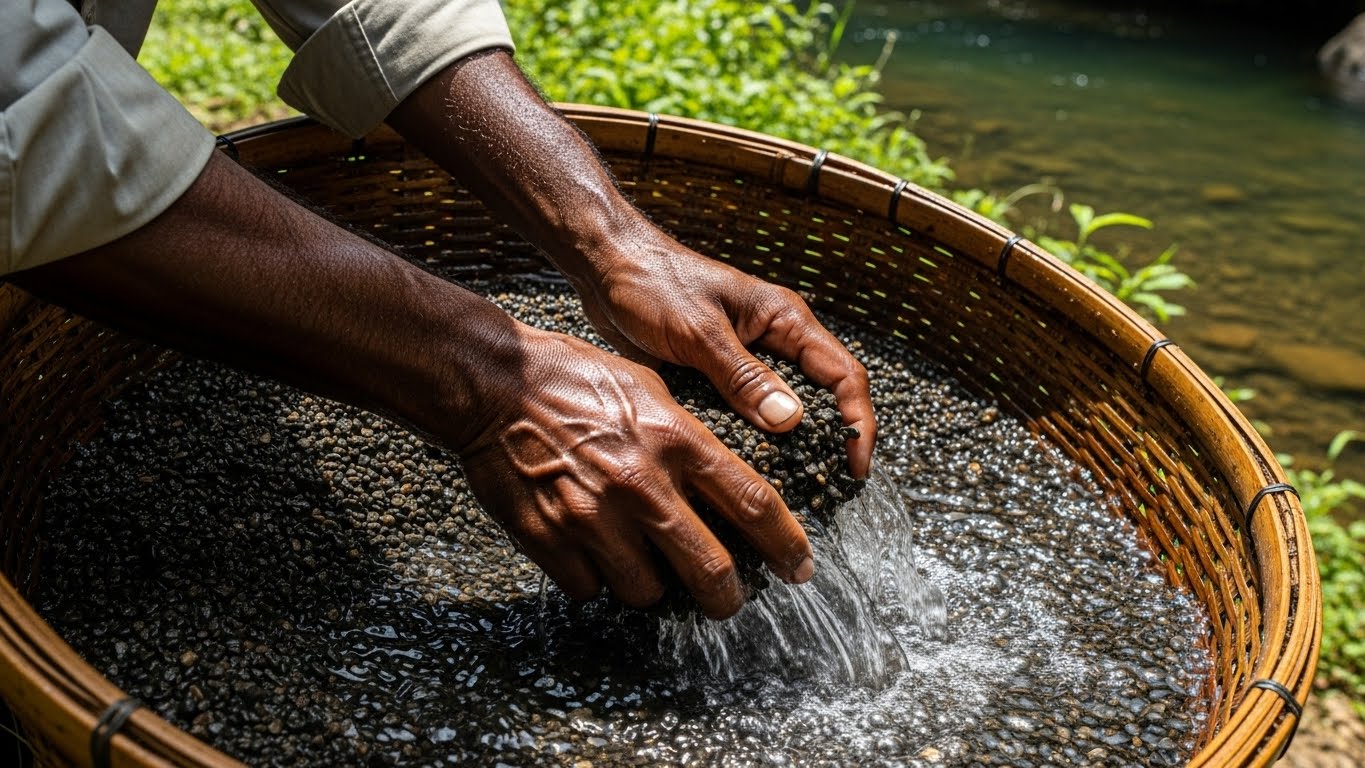
- The Paper Trail of Integrity: This is achieved through detailed logbooks, internal audits, and direct partnerships. By cutting out multiple brokers and intermediaries, we control the chain of custody, ensuring the stone’s integrity and ethical claims are verifiable every step of the way, from washing the gravel to the final cut.
Make a Choice That Matters
Choosing a Ceylon gemstone is a choice to honor the tradition and land of Sri Lanka. When you invest in a sapphire, you’re not just purchasing a piece of jewelry; you’re supporting a system where traditional, sustainable mining practices are combined with modern standards of fairness and environmental responsibility. You deserve to know that the sparkle on your hand contributes positively to the world.