
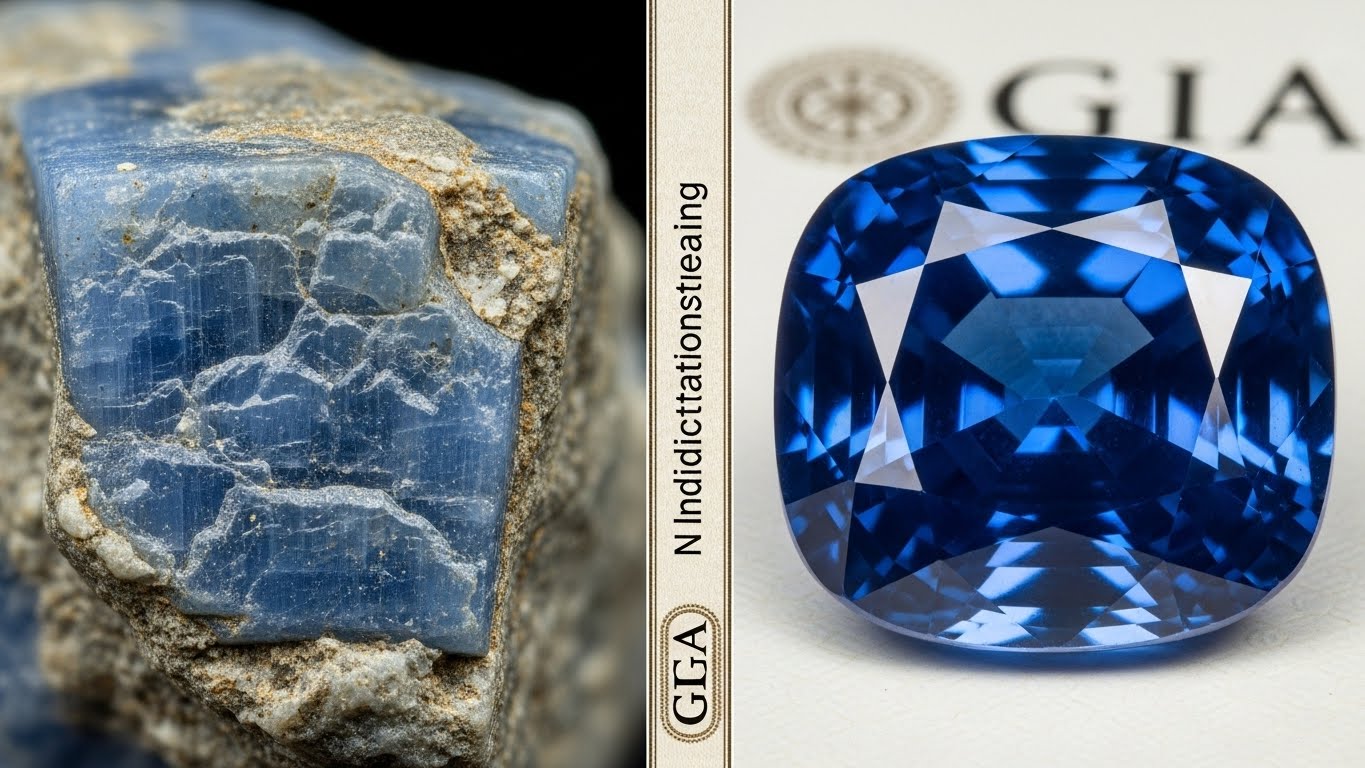
For the modern high-net-worth investor, a sapphire is more than a stunning centerpiece; it is a portable, tangible store of wealth. However, as we navigate the 2025 market, a singular question dominates the acquisition process: Is it unheated?
Understanding the unheated vs. heated sapphire divide is critical. In a market where 95-98% of all sapphires have been thermally enhanced, the untreated minority has moved from being a “collector’s preference” to a “mandatory requirement” for serious capital appreciation.
What Does “Heated” Actually Mean?
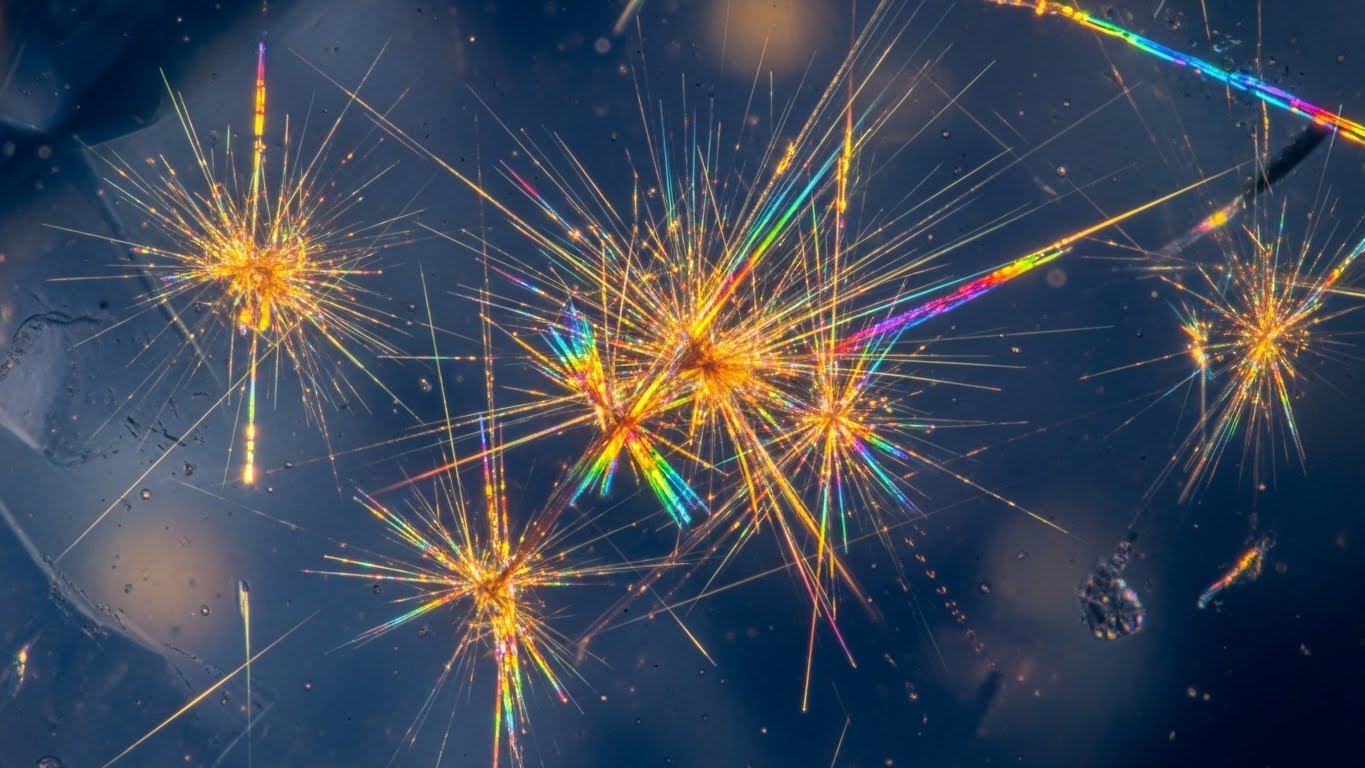
Since the ancient miners of Ratnapura first discovered that fire could transform a dull, “sleepy” stone into a vibrant gem, heat treatment has been the industry standard.By heating stones to temperatures between 2$800°C$ and 3$1800°C$, trace elements like titanium and iron are dissolved and redistributed, intensifying the blue hue and dissolving “silk” (rutile inclusions) to improve clarity.
While heated sapphires are genuine, natural stones, they are “optimized” by man. In 2025, while these remain beautiful for decorative jewelry, they do not possess the same rarity premium as their untouched counterparts.
The Value Multiplier: Why Unheated Sapphires Command 100% Premiums
The value of an unheated Ceylon sapphire is rooted in its geological impossibility. To find a stone that emerged from the earth with perfect “Royal Blue” saturation and “eye-clean” clarity—without human intervention—is a statistical miracle.
Current 2025 Market Multipliers:
1–3 Carats: Unheated stones typically command a 30-50% premium over heated stones of similar color.
5+ Carats: The gap widens exponentially. An unheated 5-carat sapphire can easily be 3x the price of a heated equivalent.
The Investment Edge: 2024 market analysis shows that unheated stones appreciate at roughly twice the rate of heated stones, acting as a superior hedge against inflation.
Reading the Report: The Power of International Certification
In the gemstone world, “trust” is verified by paper. An investment-grade sapphire must be accompanied by a report from a top-tier laboratory. When reviewing a certificate from the GIA, SSEF, or GRS, look for the “Comments” or “Treatment” section.
- “No indications of heating”: This is the “Golden Ticket” for investors. It confirms the stone’s natural state and locks in its resale value.
- “Indications of heating”: This indicates a standard heat treatment. While the stone is still valuable, its ceiling for appreciation is lower.
- “H(a)” or “H(b)”: Specialized GRS codes indicating the level of residue left by heat. For the highest CR (Conversion Rate) on your future resale, always aim for “No Heat.”
How to Spot the Difference (The Gemologist’s View)
While you should never buy based on the naked eye alone, unheated sapphires often possess a “glow” that heat treatment can sometimes flatten.
- Intact Silk: Microscopic “needles” of rutile that remain sharp and straight are a hallmark of unheated stones.
- Color Zoning: Unheated stones may show natural, angular color bands—a sign of the earth’s uneven growth process that heat treatment often “blurs” away.
- Luster: Purists argue that unheated stones have a “softer,” more velvety luster compared to the “glassy” appearance of heavily heated gems.
Which Should You Choose?
The choice depends entirely on your objective. If your goal is a stunning, vibrant engagement ring at a more accessible price point, a heated sapphire is a magnificent choice.
However, if you are a freelance developer or entrepreneur looking to diversify your “digital wealth” into a physical asset with a proven track record of 20-year growth, the unheated Ceylon Blue Sapphire is the only path forward. Its rarity is finite, its demand is global, and its value is intrinsic.
Protect your capital with the rarest 2% of the world’s gems. [Contact Our Senior Strategists] today to receive a curated list of GIA-certified, unheated Ceylon Blue Sapphires currently available for private acquisition.