
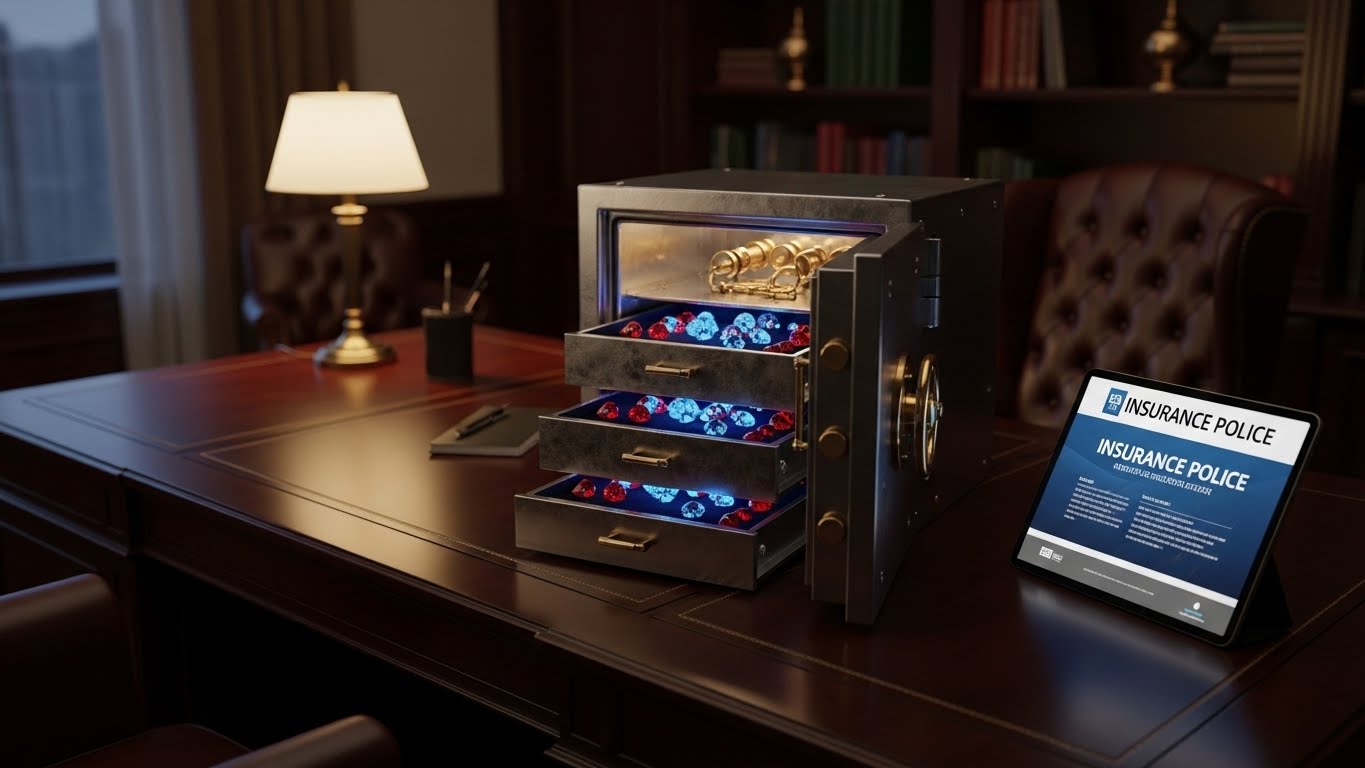
Whether you have just acquired your first investment-grade sapphire or are managing a generational archive, the 2025 landscape requires a sophisticated approach to risk management. Standard homeowners’ policies are no longer sufficient for assets that appreciate at 8–12% annually.
Here is the expert framework for securing your gemstone wealth and ensuring that your “portable assets” remain protected for the long term.
1. Specialized Insurance: Beyond the Homeowner’s Policy
Most standard homeowners’ insurance policies cap jewelry coverage at a mere $1,500 to $5,000 for the entire collection. For a single unheated Ceylon stone, this creates a catastrophic coverage gap.
- The Standalone Advantage: Specialized providers like Jewelers Mutual or BriteCo offer “all-risk” policies. In 2025, these go beyond theft to cover “mysterious disappearance” and accidental damage—crucial for stones worn in high-end settings.
- Agreed Value vs. Replacement Cost: For investors, Agreed Value is the gold standard. It ensures that if your $50,000 sapphire is lost, you receive exactly $50,000, avoiding disputes over “like-kind” replacements that may not match your stone’s specific provenance or “no-heat” status.
2. The 3-Year Appraisal Cycle
The most common mistake in gemstone collection protection is “under-insuring” due to outdated paperwork.
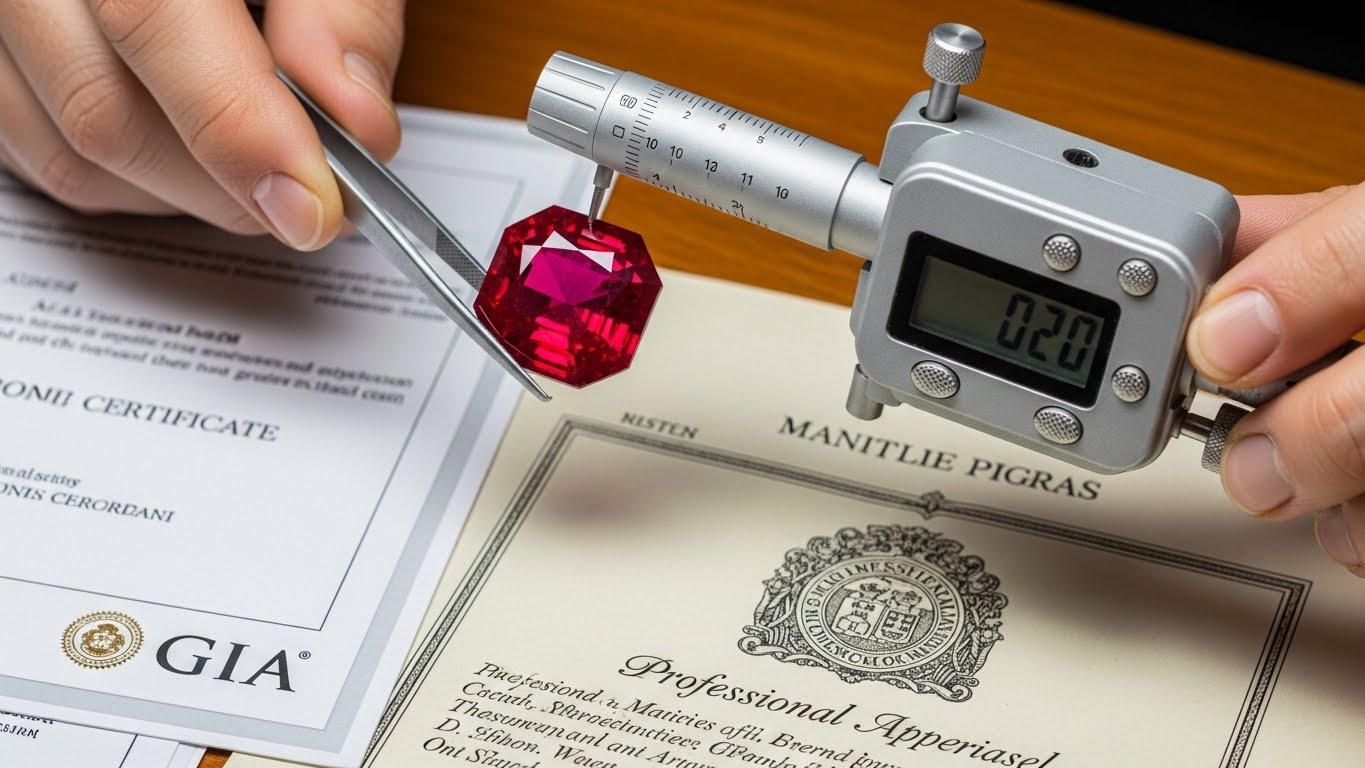
- The 2025 Market Reality: Because top-tier Sri Lankan rubies and sapphires are appreciating rapidly, an appraisal from 2021 is likely 20-30% below current market value.
- Professional Standards: Ensure your appraiser is a GIA Graduate Gemologist or a member of the Appraisers Association of America. Every appraisal must reference your lab certificate (GIA/GRS) to link the financial value to the scientific rarity
3. Physical Security: The “Vault and Humidity” Rule
While insurance protects the value, proper storage protects the physical integrity of the stone.
- The Safe Standard: Invest in a TL-30 rated safe (tested against specialized tools for 30 minutes). For high-value collections, a safe that is both fireproof and bolted to the floor is mandatory for many high-limit insurers.
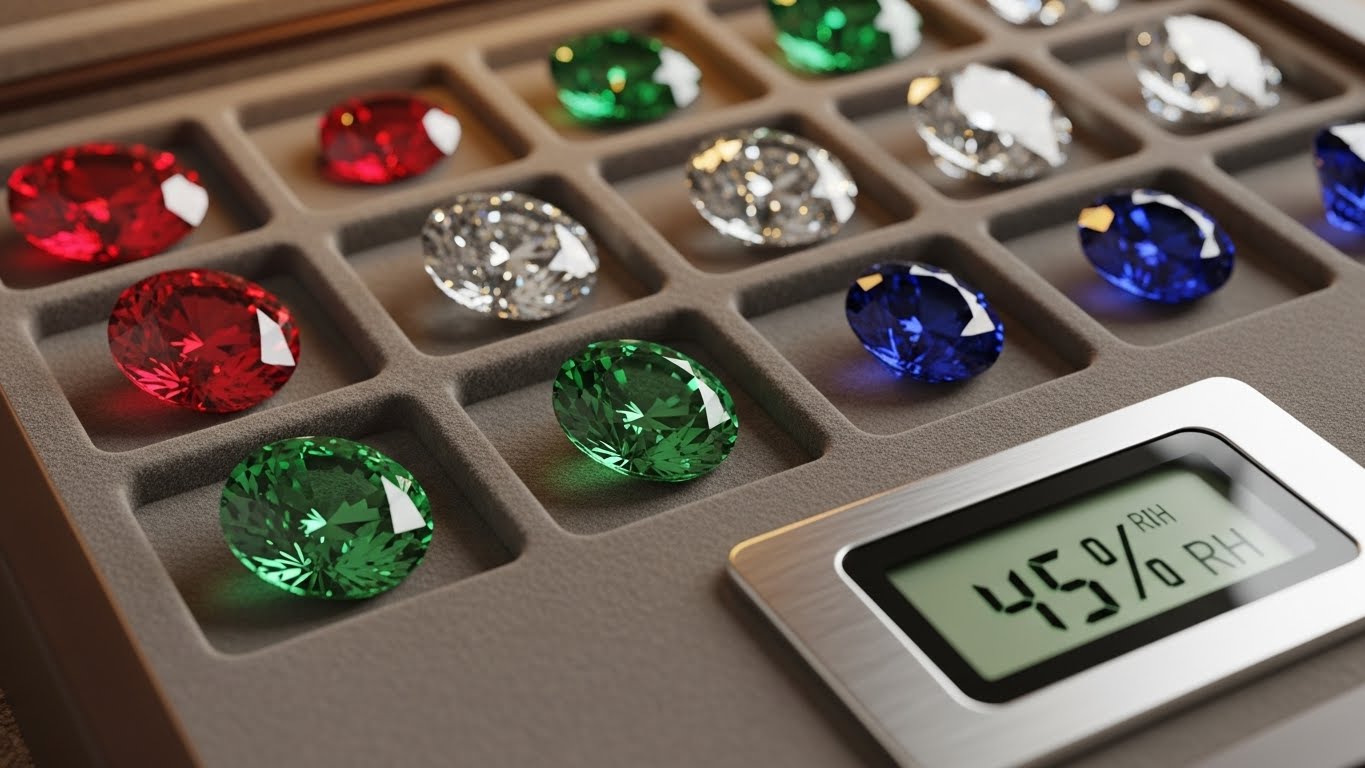
- Climate Control: Rare gems like emeralds and opals are sensitive to humidity, but even sapphires benefit from a stable environment. Maintain a humidity level between 40% and 50%. Avoid storing gems near heat sources or windows, as prolonged UV exposure can affect the color stability of certain “fancy” sapphires over decades.
4. Digital Nomads & Travel Security
For those moving assets globally, Worldwide Coverage is a non-negotiable policy rider.
- Transit Protection: Ensure your policy covers the stone while it is at the jeweler for cleaning or being shipped via Malca-Amit or Ferrari Logistics.
- Inventory Management: Maintain a digital, cloud-secured inventory with high-resolution 360-degree videos of each stone. In 2025, “digital twins” of your gems serve as an indisputable record for claims and recovery.
Architecture of Peace of Mind
Protecting a high-value collection is about eliminating “single points of failure.” By combining a specialized insurance rider with a rigorous appraisal schedule and bank-grade physical security, you ensure your investment remains a legacy rather than a liability.
Is your coverage up to date with 2025 market prices? [Download Our Gemstone Security Audit Checklist] to evaluate your current protection levels and see where your collection might be vulnerable.