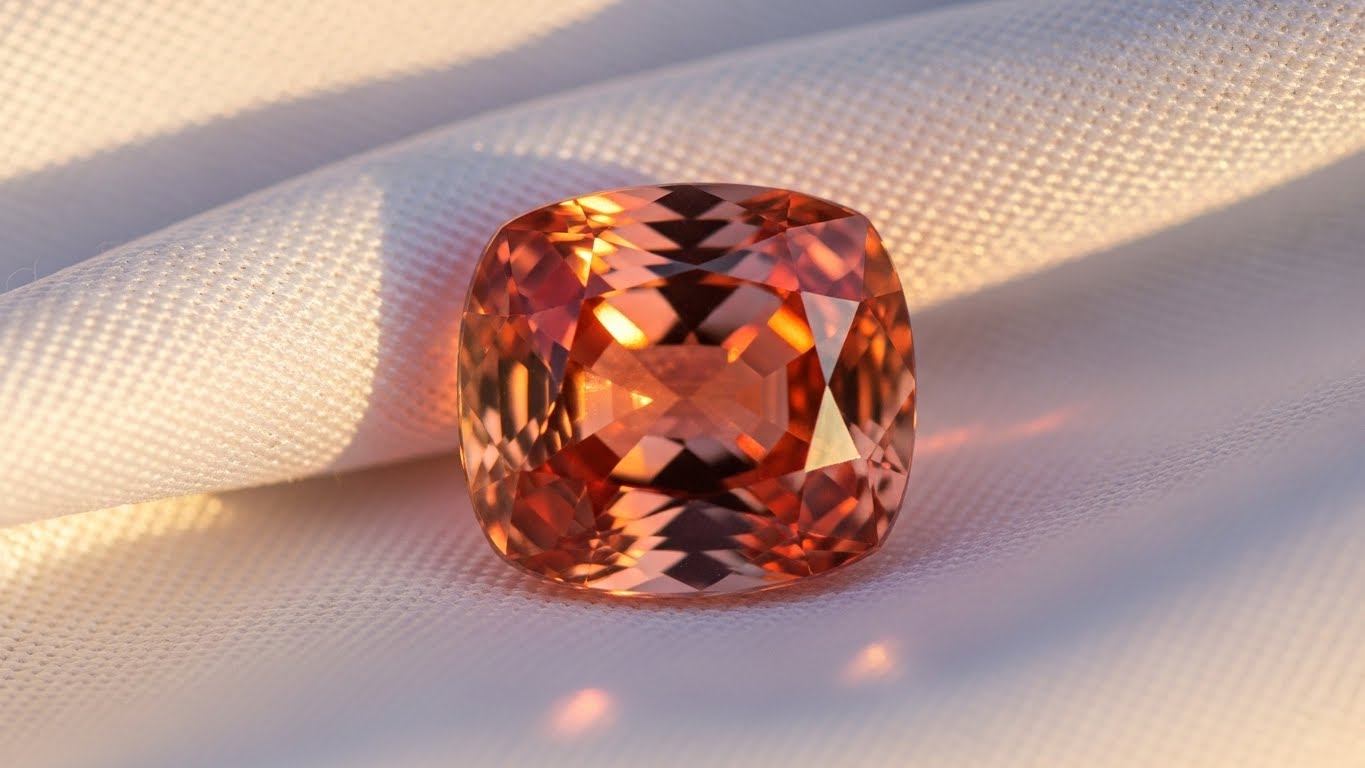
While blue sapphires are the bedrock of the gemstone market, the Padparadscha is its crown jewel. For the high-net-worth investor or the connoisseur of rare assets, understanding Padparadscha pricing is a masterclass in the economics of rarity.
In 2024, auction prices for exceptional unheated Padparadschas surged, with top-quality stones exceeding $30,000 per carat. If you are looking to diversify your portfolio with a “blue-chip” colored gem, here are the technical factors that dictate the market value.
1. The “Salmon” Standard: The Delicate Balance of Color
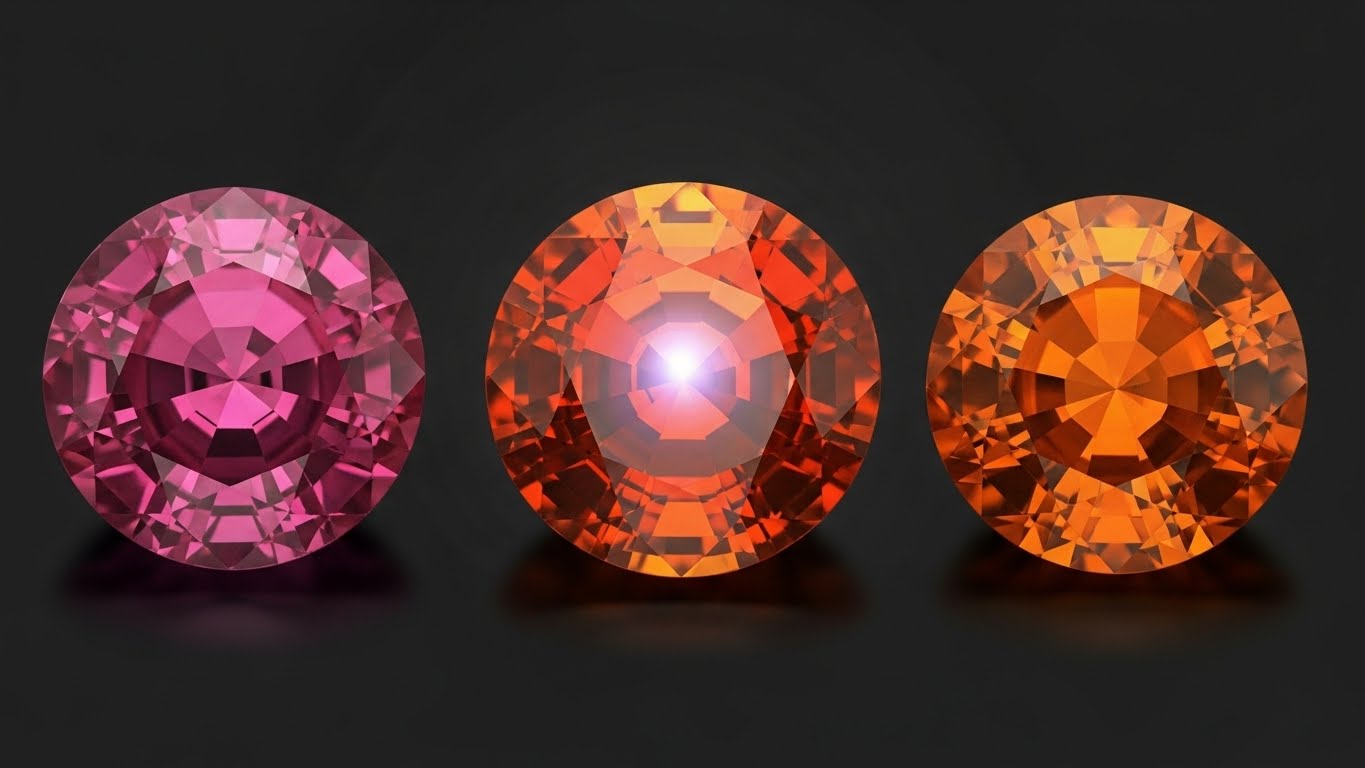
The single most important factor in Padparadscha sapphire value is the color—specifically, a delicate, precisely balanced marriage of pink and orange.
- The “Sunset” Hue: To qualify as a true Padparadscha, the stone must exhibit both hues simultaneously. If it is too pink, it is a pink sapphire; too orange, and it is an orange sapphire.
- Saturation and Tone: In 2025, the most valuable stones are those with medium saturation. Unlike blue sapphires, where “vivid” saturation is prized, a Padparadscha that is too dark loses its delicate “lotus” glow. Pastel tones that maintain high brilliance are currently trending among elite designers.
2. Origin Matters: The “Ceylon” Premium
While Padparadschas have been discovered in Madagascar and Tanzania, Sri Lanka (Ceylon) remains the only source that commands a significant historical and market premium.
- The Sri Lankan Edge: Ceylon stones are considered the “archetype.” Market data shows that a certified Sri Lankan Padparadscha can command a 20-30% premium over a Madagascar stone of identical color and clarity.
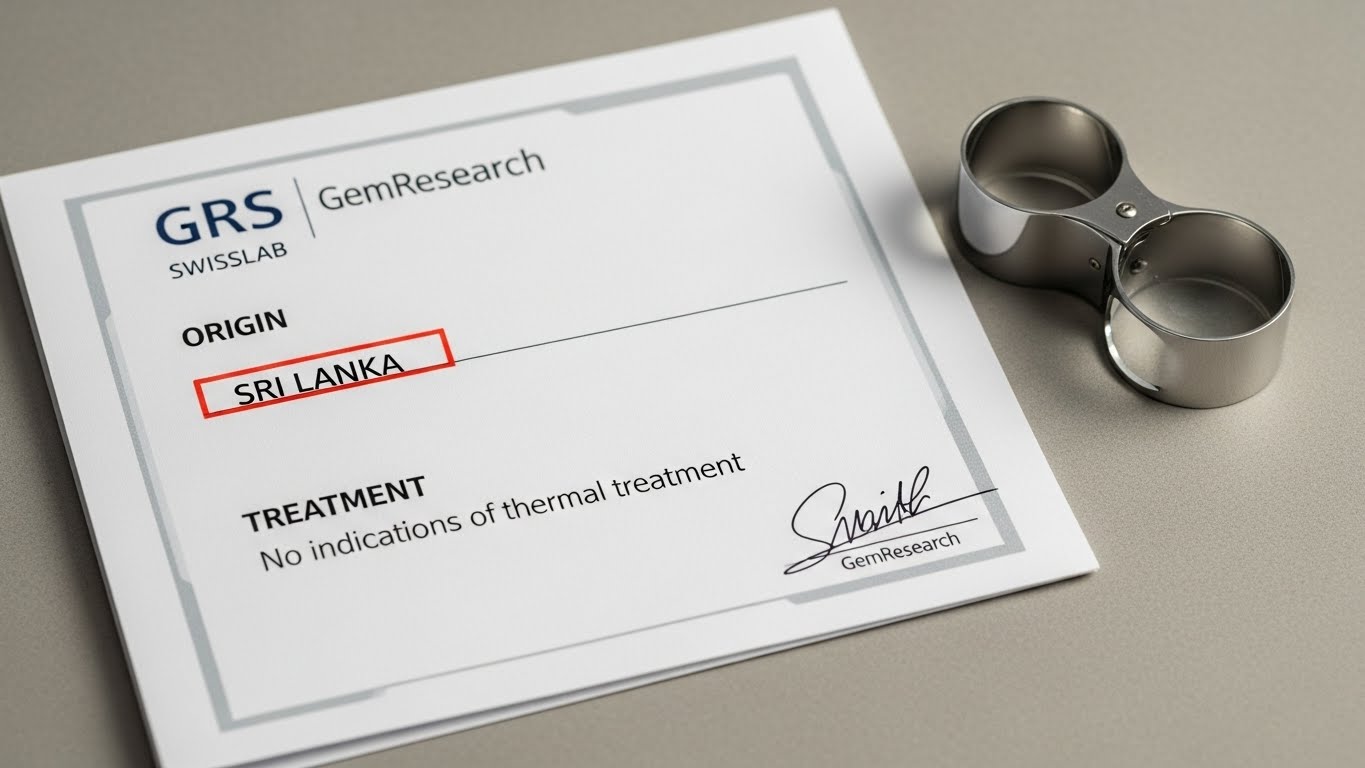
- Investor Tip: Always ensure your certificate (GIA, GRS, or SSEF) explicitly mentions the country of origin to protect your long-term resale value.
3. The Treatment Trap: Unheated vs. Beryllium Diffused
In the world of Padparadscha pricing, “Natural” and “Unheated” are the two most expensive words you can find on a report.
- The “No Heat” Multiplier: Because of their unique chemistry, very few sapphires emerge from the earth with the Padparadscha color naturally. An unheated Padparadscha is roughly 10x rarer than an unheated blue sapphire.
- Beryllium Diffusion Warning: Be extremely cautious of low-priced stones. Many “Padparadscha-colored” stones are actually pink sapphires treated with beryllium at high heat to force an orange tint. These have zero investment value and must be disclosed by law.
4. Carat Weight and the “Rarity Wall”
The price of a Padparadscha doesn’t just increase with size; it hits a “rarity wall” at specific weights.
- Under 2 Carats: Relatively available, but still expensive.
- The 5-Carat Threshold: Finding a clean, unheated Padparadscha over 5 carats is an international event. These stones are almost exclusively sold through private brokerage or elite auctions like Sotheby’s.
- 2025 Market Trend: We are seeing a “squeeze” on 3-carat stones as they become the preferred choice for high-end engagement rings (fueled by the “Princess Eugenie effect”).
A Legacy Asset for the Modern Portfolio
The Padparadscha sapphire is more than a gemstone; it is a concentration of wealth that is becoming harder to source every year. For the investor who values rarity above all else, the window for acquiring top-tier “Sunset” stones at current valuations is closing.
Are you ready to own a piece of geological history? [Join Our Private Acquisition List] to receive first-access alerts for GIA-certified, unheated Ceylon Padparadschas before they reach the public market.