
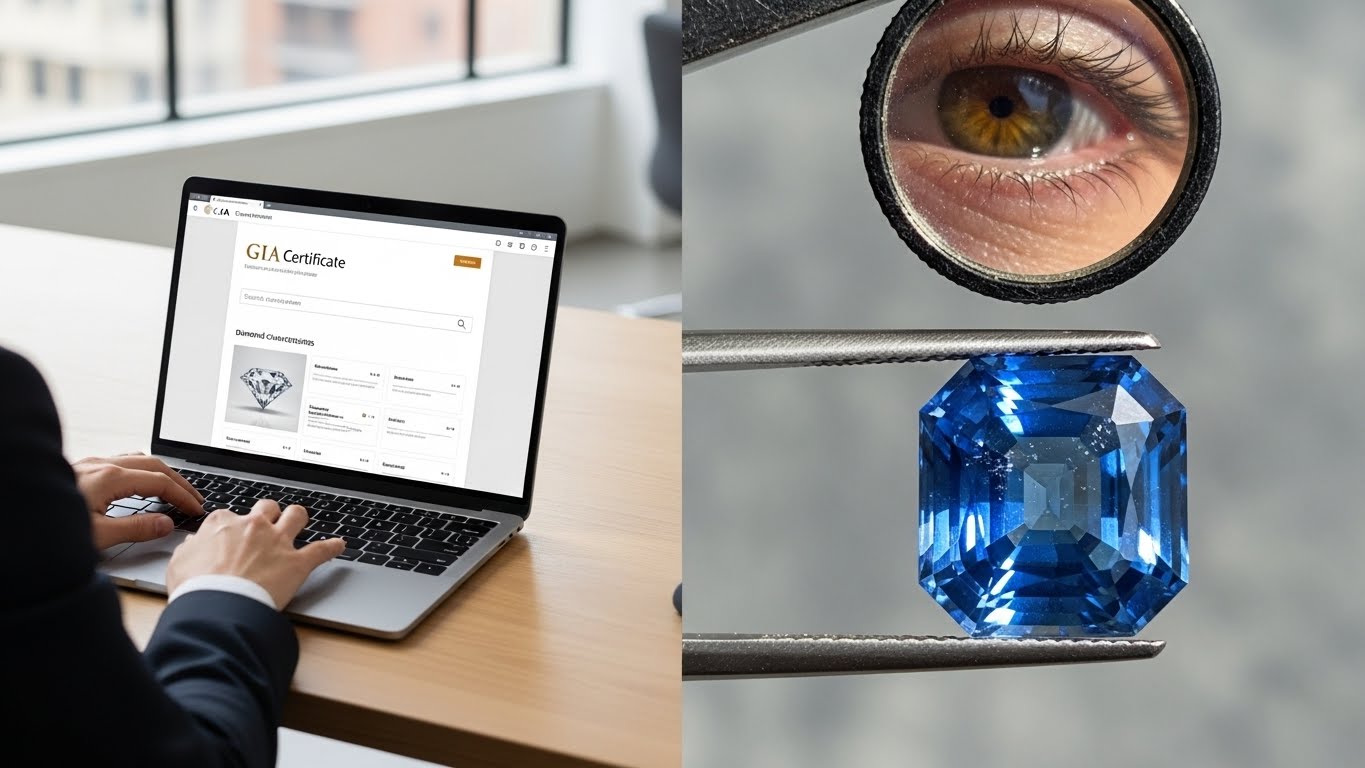
For the modern professional, diversifying into tangible assets like Sri Lankan gemstones is a brilliant strategic move. But the digital marketplace is currently flooded with “too-good-to-be-true” deals and synthetic mimics.
To ensure your capital is protected, you must move beyond the flashy Instagram ads and conduct a rigorous, three-tier vetting process. Here is the definitive guide to identifying a reputable online partner in the “Gem Island.”
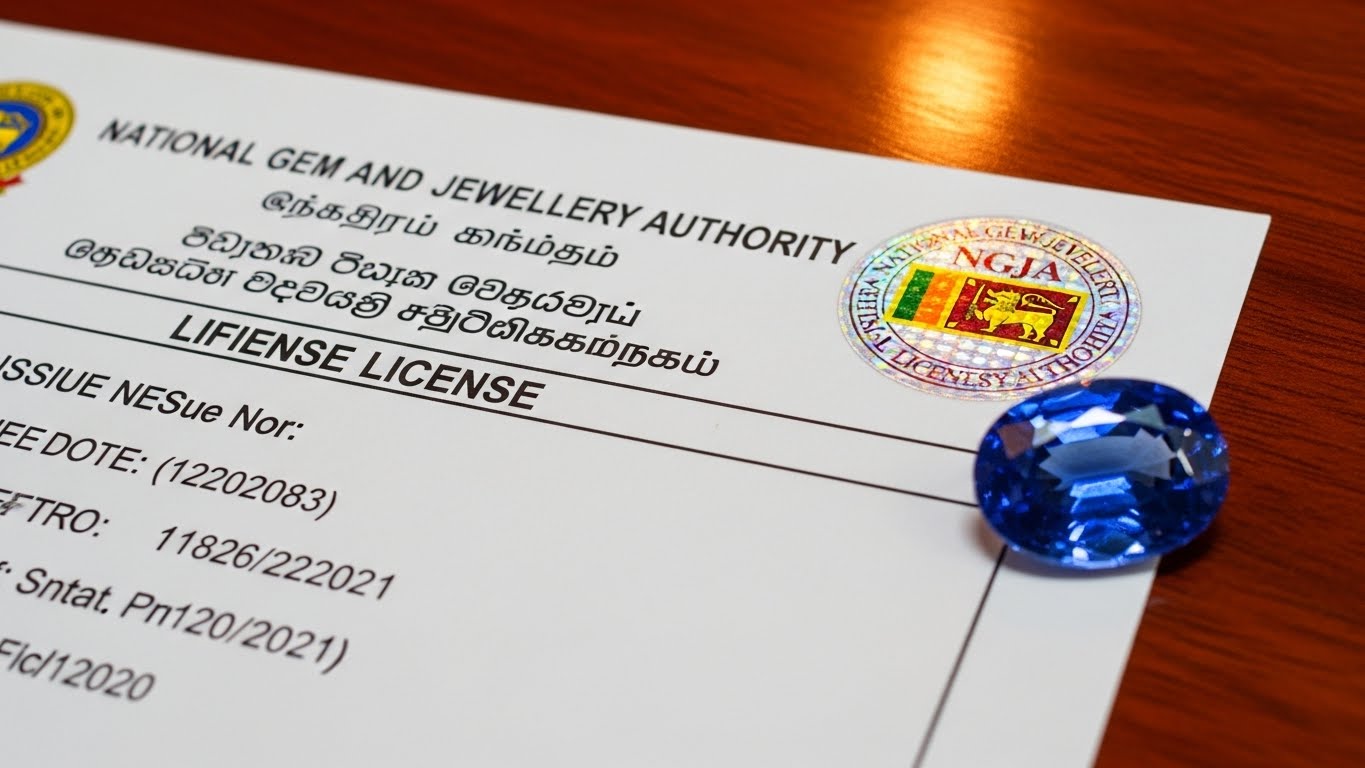
1. Verify the NGJA License: The “Gold Standard” of Trust
In Sri Lanka, the gemstone trade is strictly regulated by the National Gem and Jewellery Authority (NGJA). Every legitimate exporter must hold a valid Gem Dealer License.
- The Test: Do not simply trust a logo on a footer. Ask the dealer for their NGJA License Number. In 2025, you can verify these credentials directly through the NGJA’s official registered dealer portal.
- Red Flag: If a dealer claims they are “small-scale” and don’t need a license for international shipping, walk away. Legitimate exports require NGJA clearance for every single parcel.
2. Digital Transparency: Real Photography vs. AI Glamour
One of the most common digital nomad tips for the jewelry trade is to beware of “over-saturated” imagery.
- Demand 4K Video: High-resolution photos can be easily manipulated. A reputable dealer will provide 360-degree videos of the stone under multiple lighting conditions (natural sunlight, LED, and incandescent).
- The Hand Test: Ask for a photo of the stone held between fingers or in a pair of tweezers. This provides a sense of scale and reveals how the stone interacts with skin tones—something AI-generated or stock photos often fail to replicate.
3. Review the “Paper Trail”: Third-Party Certification
An in-house “Certificate of Authenticity” is essentially worthless for investment purposes. A reputable dealer will always offer—or be willing to obtain—a report from a world-renowned laboratory.
- The Big Three: For international liquidity, prioritize reports from GIA (USA), GRS (Switzerland), or the SSEF.
- Local Authority: Within Sri Lanka, the NGJA Laboratory or GIC are highly respected.
- The Verification Hack: Most modern certificates have a QR code or a report number that you can verify on the lab’s website before you send a single dollar.
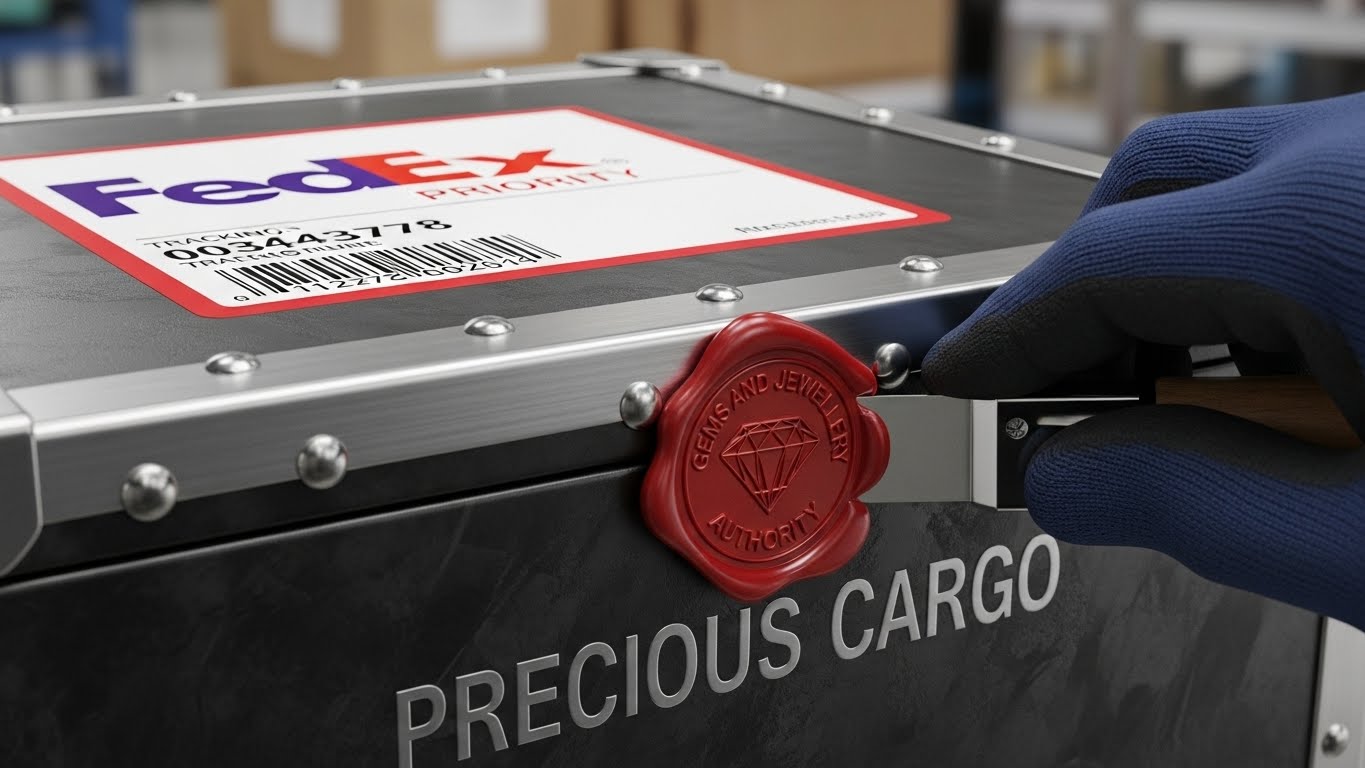
4. Transactional Security and “Landed” Costs
A professional dealer understands the complexities of international trade. Your vetting should include a review of their shipping and insurance protocols.
- Insured Shipping: Reputable dealers exclusively use FedEx or Malca-Amit for high-value gems. If they suggest standard postal services, they are not handling investment-grade material.
- Transparent Invoicing: Ensure the invoice clearly breaks down the FOB value, insurance, and any NGJA export fees.
- The Return Policy: In 2025, the standard for online gem trading is a 7-to-14 day inspection period. If a dealer does not offer a clear return policy, they are not confident in the quality of their stock.
Secure Your Path to Tangible Wealth
Vetting an online dealer is the most critical step in your Sri Lankan gemstone investment journey. By demanding regulatory proof, visual transparency, and elite certification, you shift the power back into your hands.
Want to skip the uncertainty? [Access Our Vetted Partner List]—a curated directory of NGJA-licensed dealers who meet our 2025 “Elite Transparency” standards for international investors.